
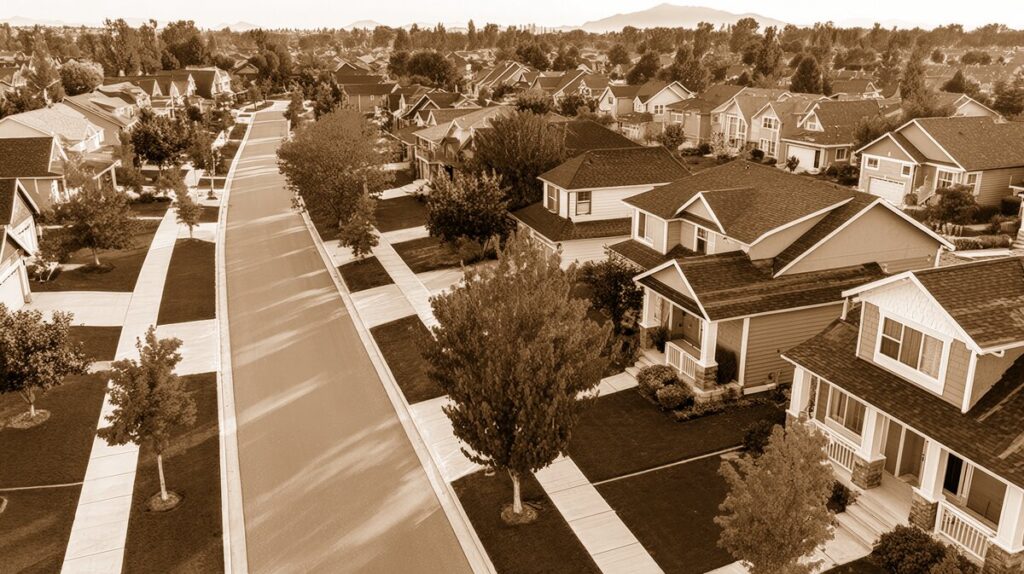
Nestled along the tree-shaded streets of southeast Rockford, the Creekside neighborhood is a place where history echoes in every corner, neighbors greet each other by name, and the gentle flow of Keith Creek reminds all why this patch of the city has been cherished for generations. While Rockford has grown and changed around it, Creekside’s unique spirit and story have remained a cornerstone of the city’s broader tapestry.
The Origins of Creekside
The origin of Creekside dates back to the early 20th century, when Rockford’s urban footprint began stretching south and east from the busy downtown. At the time, the area that would become Creekside was primarily farmland dotted with dense clusters of native oak, maple, and elm. Keith Creek—a modest waterway winding steadily through the lowlands between Harrison Avenue and Sandy Hollow Road—served a dual purpose: nourishing the land and acting as a natural boundary. When families began settling the area in greater numbers after World War II, the name “Creekside” was a natural choice, paying homage to the ever-present creek at the heart of the neighborhood.
How the Neighborhood Got Its Name
The story behind the neighborhood’s name has a simple, pastoral beauty. By the late 1940s, developers were keen on marketing new subdivisions that highlighted unique natural features. “Creekside” captured the imagination with its promise of leafy canopies and the peaceful music of running water. It wasn’t uncommon for early real estate brochures to boast about backyards just steps away from Keith Creek’s gentle banks. For the families moving in, Creekside wasn’t just a suburban address—it was a retreat, a promise of nature’s steady presence even as the city bustled beyond its borders.
Key Historical Milestones
Creekside has seen its share of milestones, each shaping the neighborhood’s character:
- Post-War Growth Boom (1950s-60s): The years after World War II marked significant housing growth. Streets like Oak Grove Avenue, Pershing Avenue, and Marie Avenue filled with tidy ranch homes, many built by returning veterans using GI Bill funding.
- Keith Creek Floods (1970s & 2000s): While the creek is charming, it also brought challenges. Major floods, particularly those in 1973 and again in the 2000s, tested community spirit. In response, the city and residents collaborated on improved flood prevention—installing levees and replanting wetlands to mitigate future problems.
- Development of Key Parks and Schools: The creation of Keye-Mallquist Park in the 1970s provided a beloved gathering spot. Its playgrounds, ball diamonds, and green open spaces have echoed with the sounds of summer plays and neighborhood picnics ever since. Nearby, the construction of Rolling Green School (now merged into Constance Lane Elementary) added a cornerstone for generations of students and families.
Notable Landmarks and Community Institutions
Creekside may be small by city standards, but its landmarks reveal the heart of its heritage:
- Keith Creek: The creek itself is more than just geography—it’s a beloved backdrop for dog walks, kids’ adventures, and tranquil reflection. Stretches near Pershing Avenue and Newburg Road are particularly scenic, with mature trees arching overhead.
- Keye-Mallquist Park: This large city park off 11th Street anchors the neighborhood’s social life, hosting holiday events, soccer games, and barbecues through the seasons. Its shelter houses have seen generations of birthday parties while its baseball diamonds foster local rivalries and community teamwork.
- Historic Homes: Midcentury ranches on Orchard Avenue, along with bungalows built in the 1940s, showcase the sturdy architecture that gave post-war Rockford its unmistakable character. Some careful renovations in recent years have preserved brick facades and original trim, a tribute to the neighborhood’s sense of stewardship.
- Community Churches: Faith and fellowship have long brought Creekside neighbors together. The historic Rolling Green Church, built in 1956 on Oak Grove Avenue, is known for its service to local families and outreach during times of need.
How Creekside Has Evolved Over the Decades
No community stands still, and Creekside is no exception. As Rockford’s demographics have shifted, Creekside has evolved into an ever more diverse patchwork of families, retirees, and newcomers. Where once every home held school-age children, today you’ll find a vibrant mix: young families on evening stroller walks, longtime residents tending the same garden beds they planted decades ago, and new arrivals bringing fresh energy and traditions.
In the 21st century, efforts to improve Keith Creek’s flood resilience drew neighbors into closer collaboration. These projects—not just city-led, but also block-by-block volunteer efforts to plant native grasses and keep storm drains clear—have become a point of neighborhood pride. Conservation initiatives at Keye-Mallquist Park and new playground equipment at local schools ensure Creekside remains attractive to families.
The neighborhood’s original midcentury design, with homes clustered along gentle curves instead of strict grids, still feels inviting. Front porches are living spaces in spring and summer, while backyard barbecues fill the air with the scents of charcoal and cut grass.
What Makes Creekside Special Today
Ask any Creekside resident what makes their neighborhood special, and the answer comes quickly: it’s the sense of belonging. Neighbors help with shoveling after winter storms; children play from yard to yard in a way that feels timeless. Annual block parties, summer garage sales, and volunteer clean-ups at the park knit everyone together.
- The charm of Keith Creek, winding serenely through the heart of the community
- The legacy of stewardship—from tending historical gardens to preserving classic homes
- The resilience and caring spirit shown after every challenge, from floods to changing times
In Creekside, time-honored traditions blend with new possibilities. It’s a neighborhood whose past has shaped its present—and whose welcoming streets invite new memories every day.
Conclusion
The story of Creekside is written in the laughter echoing from Keye-Mallquist Park, the hush of early morning along Keith Creek, and the quiet acts of neighborly kindness that define everyday life. Its heritage isn’t simply a record of dates and buildings—it’s alive, carried forward by the people and places that call Creekside home. Whether you’re tracing the creek’s path, admiring vintage bungalows, or joining a summer festival, Creekside remains a Rockford treasure: a place rooted in history and brimming with heart.